Malaika Honey celebrates 20 years of beekeeping in Uganda
By Simon Turner, Malaika Honey
Welcome To The Eye Magazine Directory
-
All Locations :

Welcome To The Eye Magazine Directory

Malaika Honey celebrates 20 years of beekeeping in Uganda
By Simon Turner, Malaika Honey
When travellers first arrive in Uganda, they are often struck by the country’s warm equatorial sun, the lush greenery, and the slow hum of life that drifts across rural landscapes. On many farms, that hum comes from bees. For nearly twenty years, Malaika Honey has been part of this story, working with communities across Uganda to build a thriving beekeeping sector that improves livelihoods, protects nature, and produces some of the most distinctive honey on the African continent.
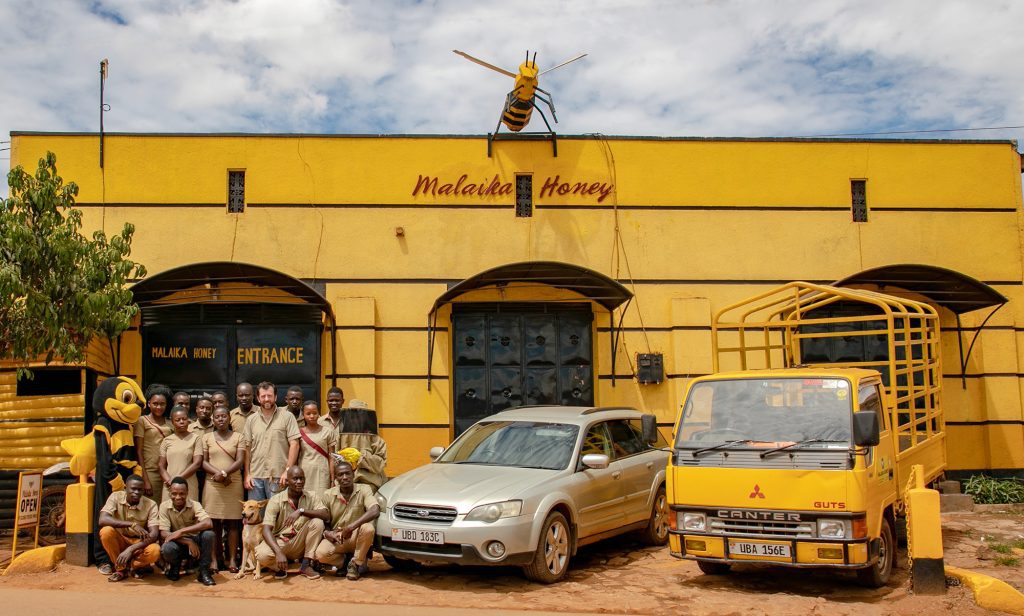
Founded in 2006, Malaika Honey began as a small facility on the edge of Kampala with one goal: to show that beekeeping could be both a source of income for rural households and a driver of biodiversity conservation. Uganda’s natural environment is rich in nectar-producing plants. From the Rift Valleys broad savannah to the rolling highlands, the country offers ideal conditions for beekeeping. For many farmers, bees require a small piece of land, a little water, and complement crops rather than compete with them. What they need most is good training, good equipment, and a reliable market. That is where Malaika Honey found its purpose.
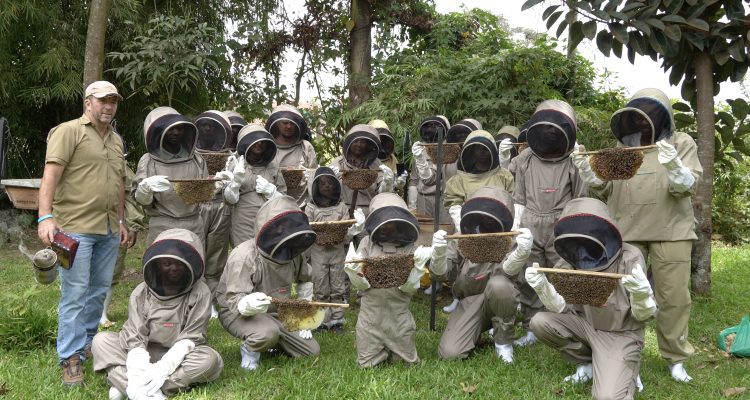
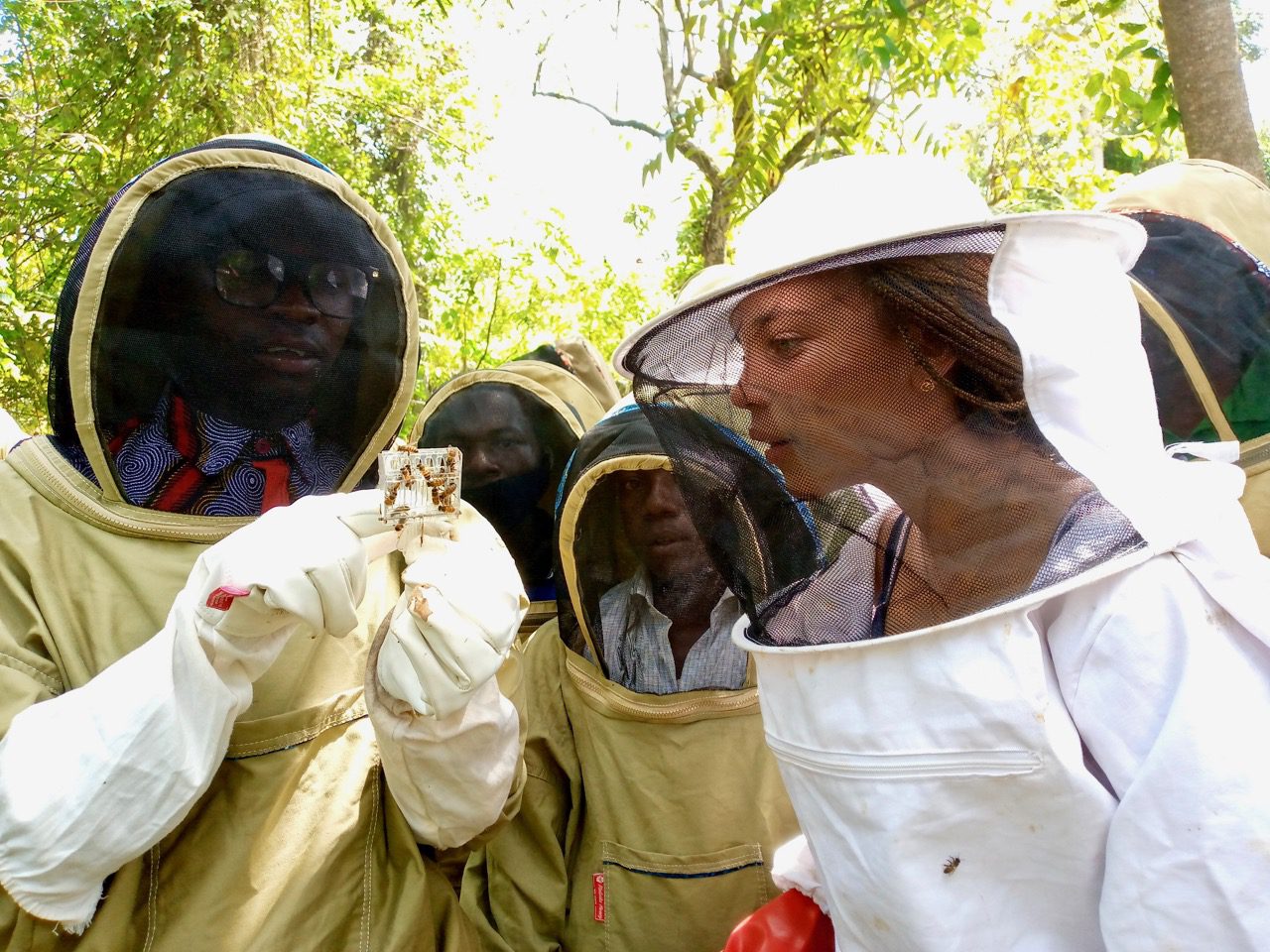
One of our most important achievements has been supporting beekeepers in refugee settlements, particularly in Rhino Camp in the West Nile region. Beekeeping provides income without requiring refugees to access large plots of land, which are often limited. The bees themselves help restore the environment by pollinating trees and crops in degraded areas. Helping refugees to handle bees and harvest their first honey is one of the most rewarding experiences.
Beeswax is purified and used in cosmetics, skincare, candles, furniture polish and natural balms. Its value has increased as buyers look for pure, chemical-free wax.
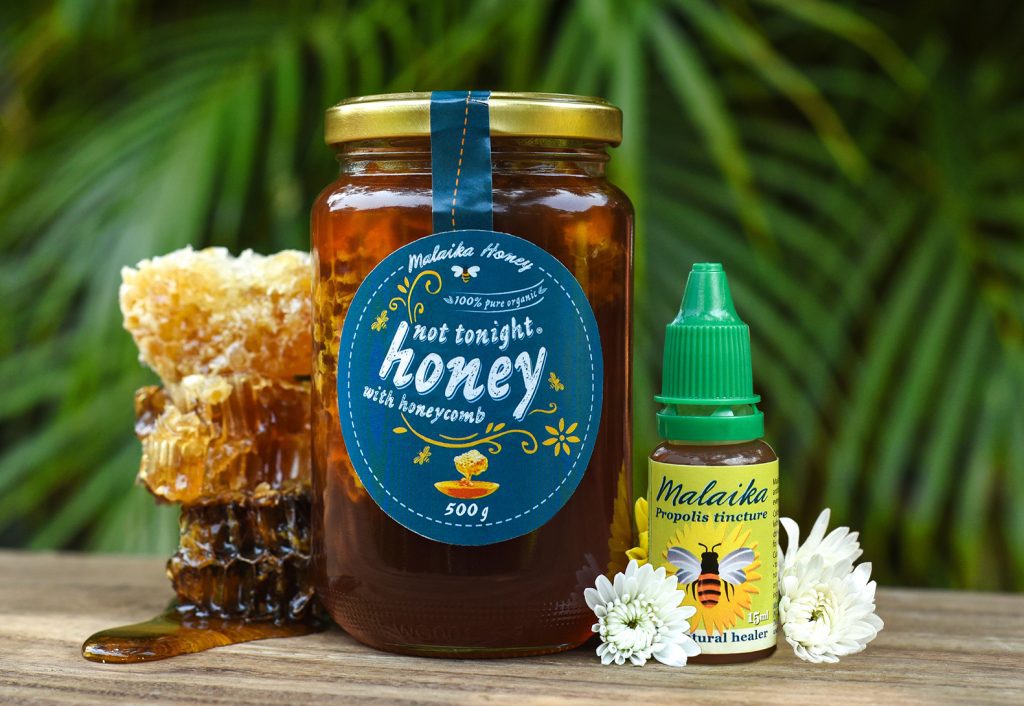
Propolis has become one of our most exciting areas of development and we are proud to be widely distributed and available throughout Uganda at pharmacies. This resinous substance collected by bees has strong antimicrobial, antiviral and anti-inflammatory properties. Our propolis tinctures and extracts are popular locally and are gaining interest internationally for their natural therapeutic benefits.
Bee venom is harvested using non-lethal methods. It is used in medicine with increasing research and study supporting medical efficacy and high-value cosmetic formulations worldwide,
Honeywine (Mead) has become a signature creation of Malaika Honey. Fermented from pure honey, our honeywine reflects the floral notes of Ugandan nectar and has been warmly received by visitors and local customers alike.
With our product development, we are happy to offer beekeepers an additional income stream.
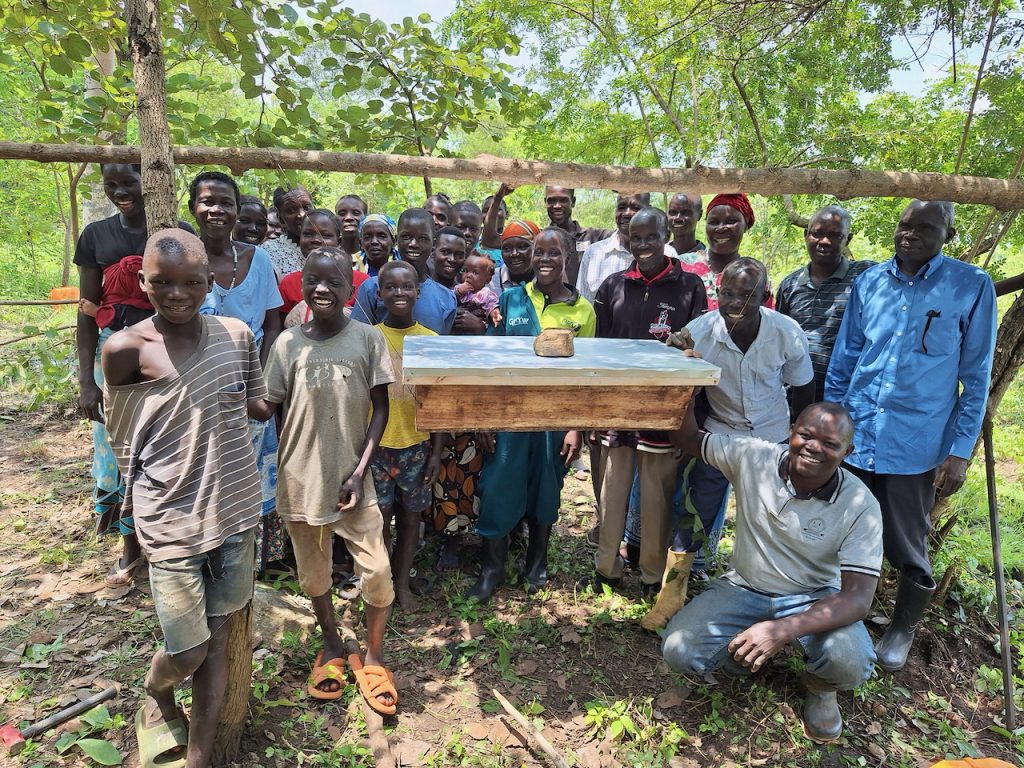
By making high-quality equipment locally, we strengthen the value chain and build the industry in Uganda.
Tourists visiting our farm and training facility just north of Kampala often express surprise at how accessible beekeeping really is. We welcome school groups, families and travellers who want to come and learn the finer details of how the colony works and how bees make honey. Many leave our farm with a deeper appreciation of the tiny creatures that sustain our world and a broader appreciation of nature
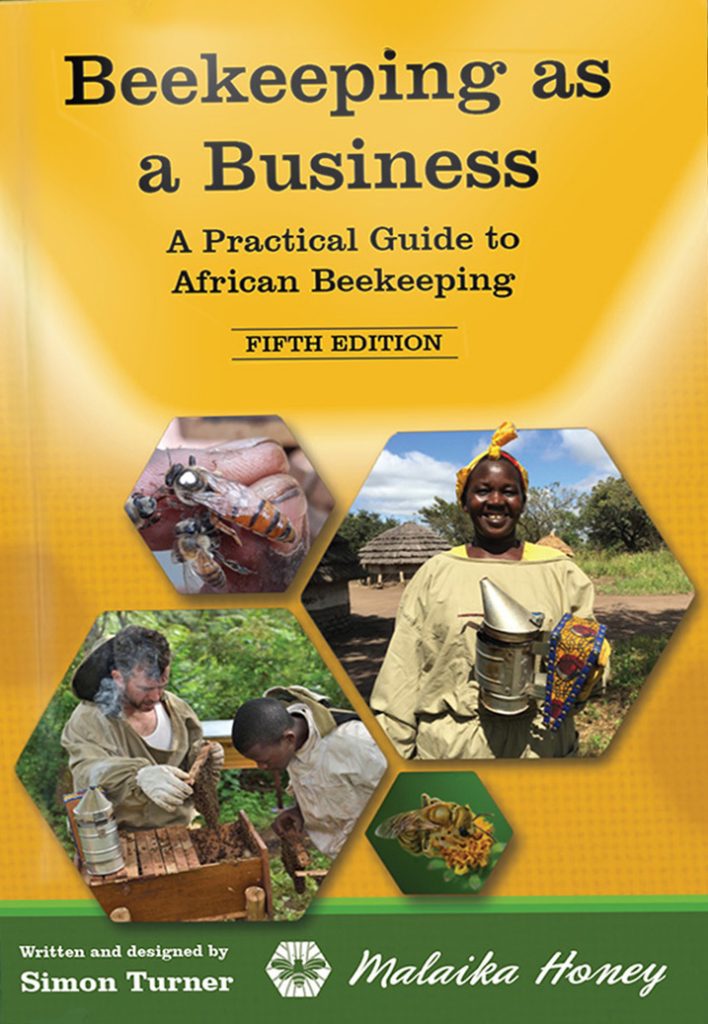
We believe that when you invest in bees, you invest in people and in the planet. Uganda has the potential to become one of Africa’s leading producers of natural bee products. With continued innovation, strong partnerships and the dedication of the many farmers we work with, we are confident that the future of beekeeping will continue to shine brightly.