Margrethe Juncker – Volunteer Doctor and Programme Development Advisor.
Image above: Educating health workers in screening.
Welcome To The Eye Magazine Directory
-
All Locations :

Welcome To The Eye Magazine Directory

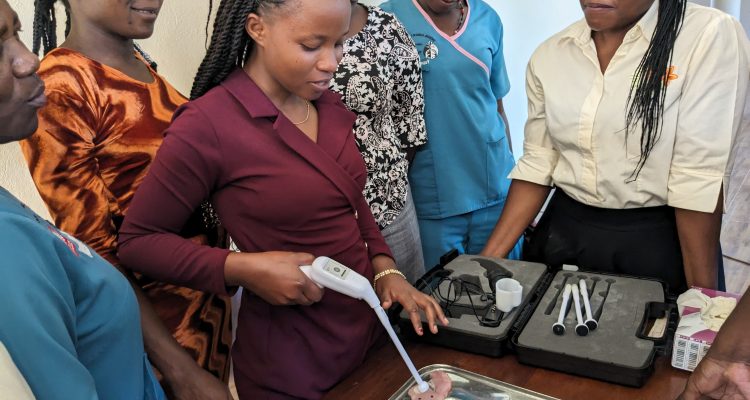
Margrethe Juncker – Volunteer Doctor and Programme Development Advisor.
Image above: Educating health workers in screening.
In Busoga, Hope Travels on Four Wheels – Rays of Hope Hospice Jinja’s Lifeline in Busoga
When Mary first met the team from Rays of Hope Hospice Jinja, she was bedridden, sick from cervical cancer, and unable to care for her three young children. Poverty and illness had drained her hope. But through steady medical attention, treatment of symptoms, counselling, and support to reach Uganda Cancer Institute for treatment, Mary’s life began to turn around.
Today, she is healthy again—and every month, she returns to Rays of Hope’s patient gatherings to encourage other women. The same mother who once lay hopeless now stands as a peer supporter in her community.
“I now feel human again,” she says with a beautiful smile. “I laugh, I sing, and I have hope.”
Mary’s journey is not just one of survival—it’s a story of dignity restored, one of several thousands that define Rays of Hope Hospice Jinja’s quiet, determined mission.
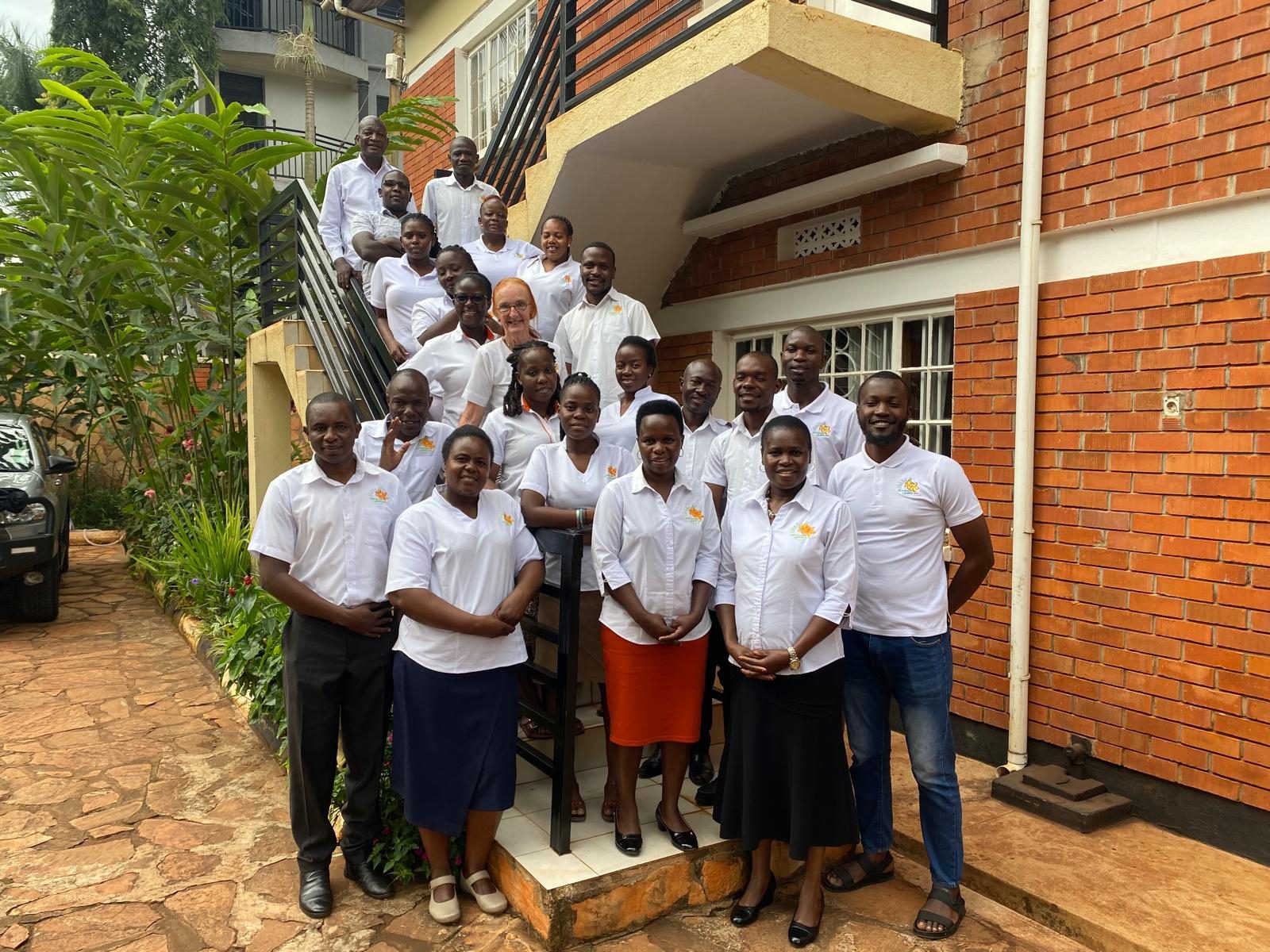
Founded in 2005, Rays of Hope Hospice Jinja is the only specialized palliative care provider serving Uganda’s entire Busoga Region. This vast area—home to over 4.5 million people—stretches across 11 districts and hundreds of kilometers pot-holed country roads.
RHHJ has a simple but strong belief: that access to quality healthcare is a human right. What started as a small team focused on pain relief and symptom control has evolved into a holistic program aligned with the United Nations’ Sustainable Development Goal 3—ensuring access good affordable health care for all.
Today, RHHJ provides compassionate home based care for patients with cancer and severe HIV/AIDS while addressing the emotional, social, and spiritual challenges that come with life-limiting illness. Its mission is to advance cancer prevention, early detection, Relieve suffering and support families and communities toward healthier, more hopeful lives.
Across Busoga, RHHJ’s four vehicles travel an average of 13,500 kilometres every month—over dusty/muddy roads and across ferry crossings—to bring care directly to patients’ homes. In 2024, RHHJ cared for 1,302 patients. By October 2025, that number had already reached 1,466. The need is growing, and so is the organisation’s determination to meet it.
Each month, around 800 patients receive care visits. Some are seen at local health centers, while most are reached in their homes—where nurses and social workers meet with the patients and their families, examine, counsel, deliver medicine, and also brings smiles on the face of the patients.
This deeply personal work goes beyond medical treatment. Teams teach caregivers how to look after their loved ones between visits, offering encouragement and companionship so that no one faces illness alone. All RHHJ’s staff and volunteers execute their duties guided by the same guiding values: compassion, integrity, professionalism, teamwork, and innovation.
The establishment of field offices in Buyende (2022) and Namayingo (2025) marked major milestones in extending equitable healthcare to underserved communities. These offices have expanded access to palliative and preventive cancer care in remote and island districts with very limited health services. The rise in patient enrollment, referrals, and recovery outcomes clearly demonstrates the impact of this initiative. Beyond clinical care, RHHJ’s programs in psychosocial support, nutrition, and family resilience help patients and households rebuild strength and dignity.
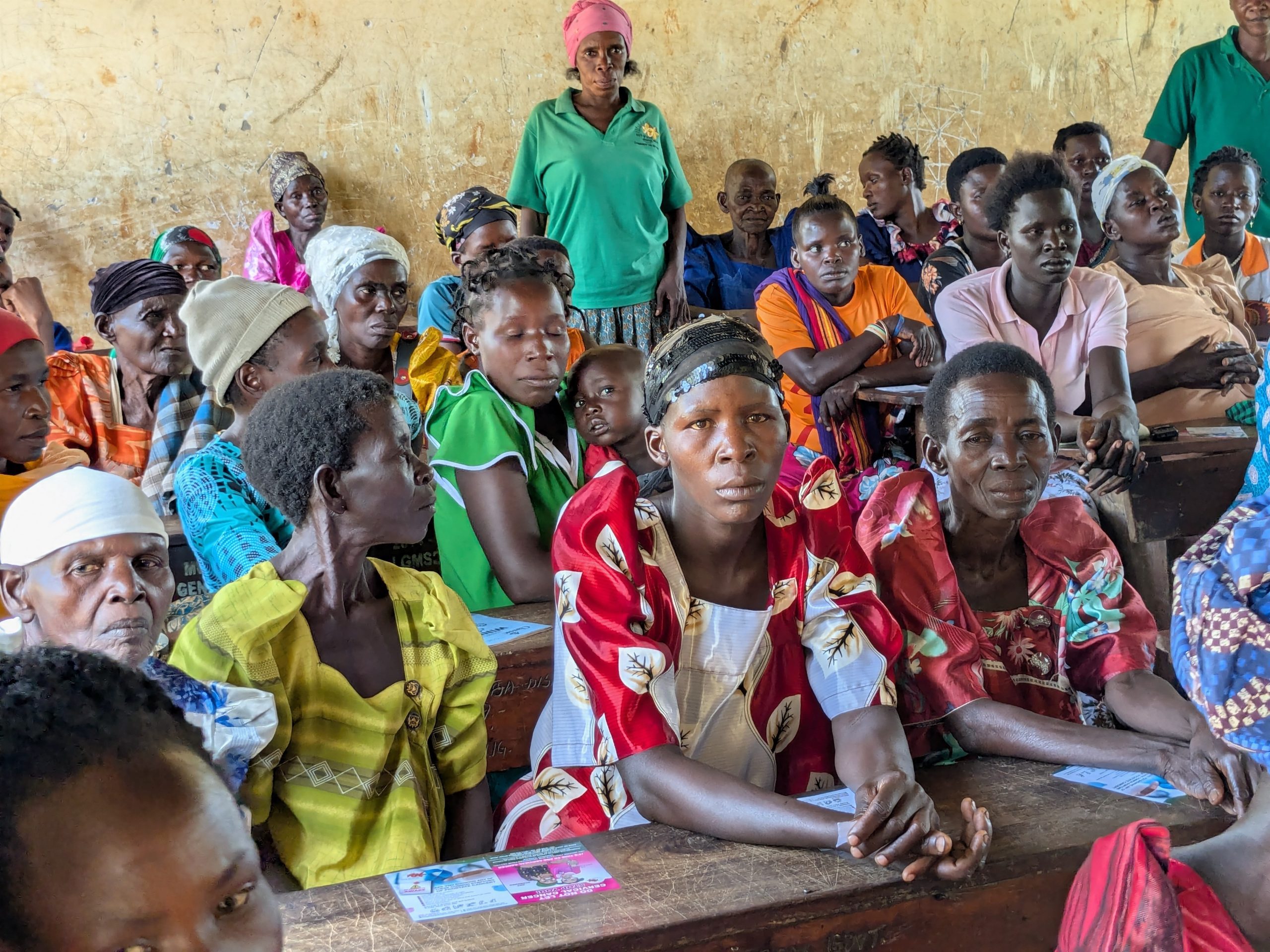
In Uganda, cervical and breast cancers remain the leading causes of cancer deaths among women. In 2024, 73% of women enrolled with cancer at RHHJ had one of these two diseases – cervical cancer being preventable and both treatable if detected early.
Since 2018, RHHJ has screened over 15,500 women, finding precancerous or suspicious cervical lesions in one of every sixteen woman and breast lumps in 2%. Early lesions are treated on-site, while those needing further diagnosis and treatment will be referred and also supported if needed.
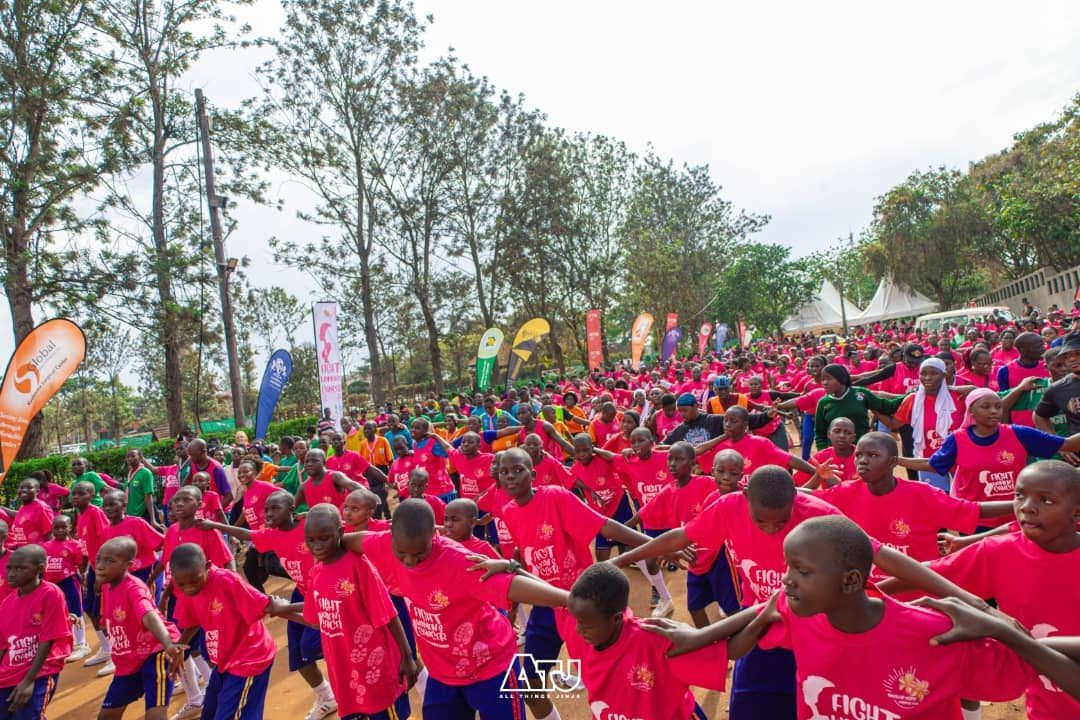
Each October, RHHJ’s Fight Women’s Cancer Campaign turns Jinja pink with a month of greater awareness creation, screening outreaches culminating into events including a community run, walk, and ride held on the last Saturday of October. The 2025 event was an immense success drawing more than 1,000 participants and winning the Busoga Kingdom’s support—a vibrant show of unity under one message: Prevent. Detect. Treat. Defeat – because every woman matters.
Beyond screening, RHHJ is leading the charge in HPV vaccination, the most effective prevention tool against cervical cancer. In partnership with local health authorities, RHHJ’s advocacy and education programs have since 2023, in collaboration with government health centers, helped vaccinate over 40,000 girls across the region.
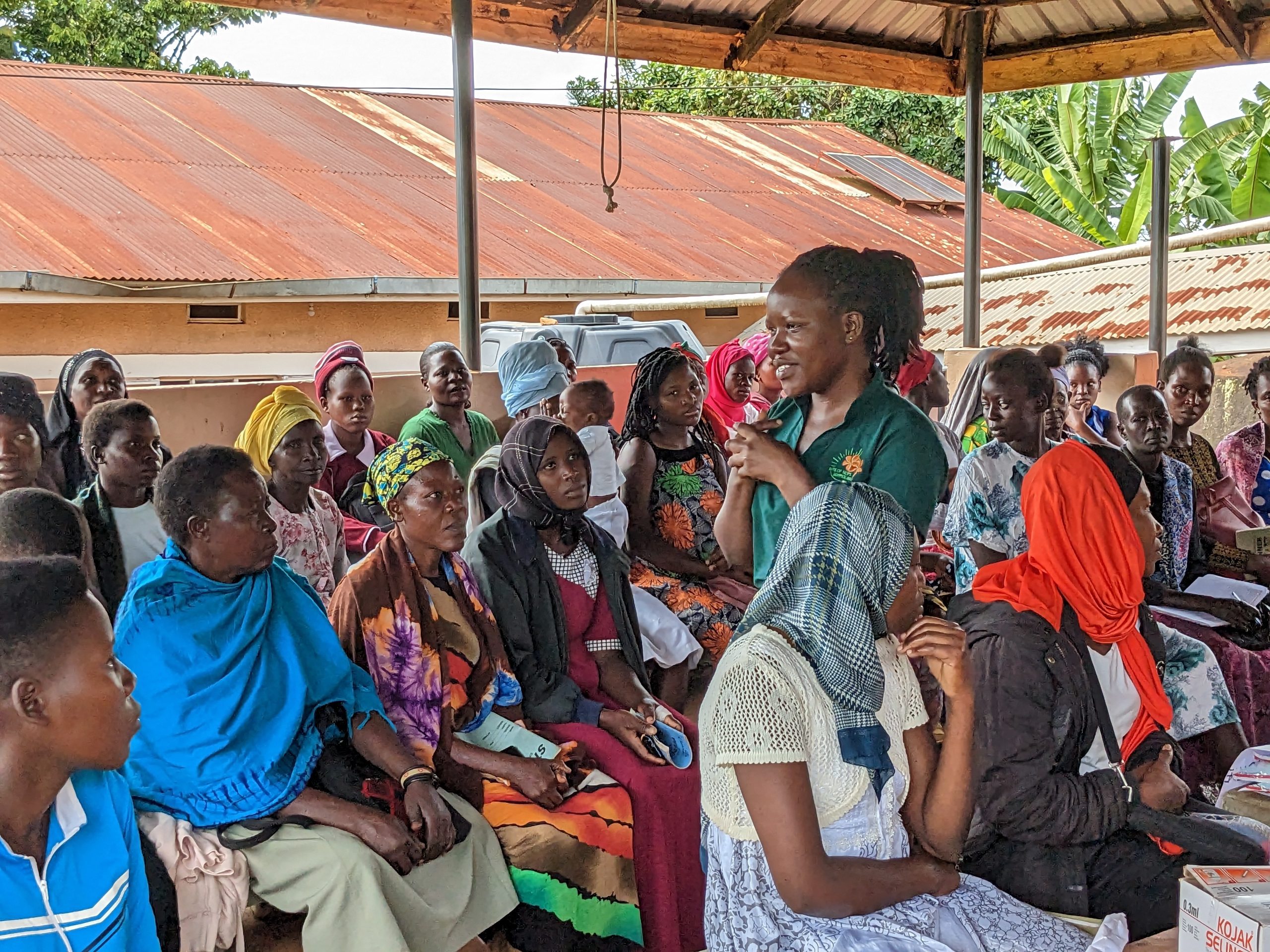
At Rays of Hope Hospice Jinja, care reaches far beyond medicine. Poverty often deepens the pain of disease, so the team treats the whole person—body, mind, and spirit.
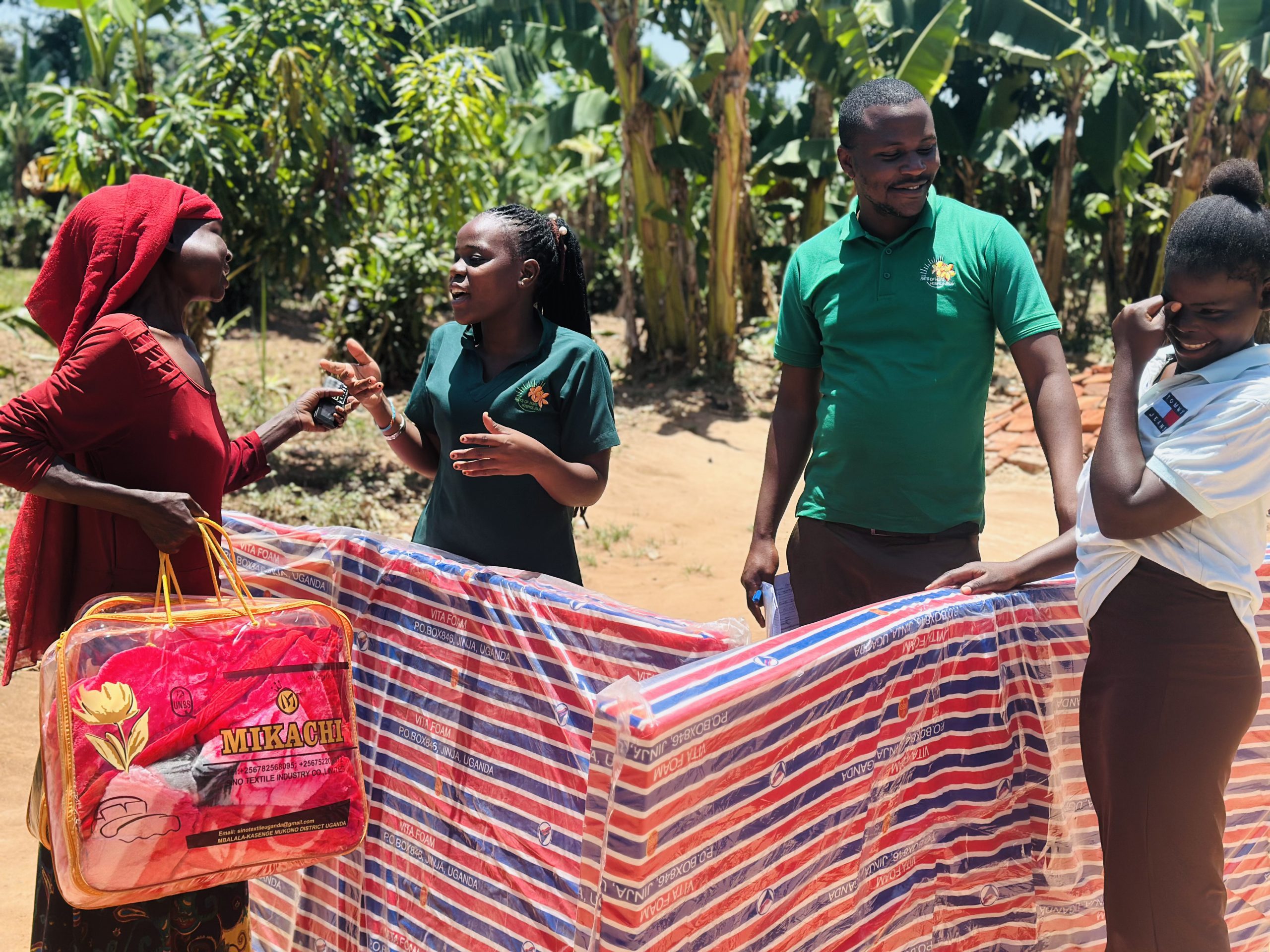
Many patients lack food, bedding, or even a mattress. RHHJ provides monthly food baskets, bedding, washable diapers, and colostomy bags to ease the patient’s burden. Rays of Hope also supports 183 children of patients with school fees and supplies so that illness does not end a child’s education.
Monthly day-care gatherings bring patients and caregivers together to share experiences, receive health education, and enjoy a warm meal. Those too weak to walk are given wheelchairs or crutches, restoring both mobility and dignity.
Compassion inspires compassion: former patients and caregivers like Mary now help others—organizing screenings, encouraging prevention, or accompanying neighbours to hospital when no one else can.
As Sylvia Nakami, the Executive Director of RHHJ puts it; “We don’t measure success only in the lives we save, but also in the comfort, peace, dignity and hope we restore along the way.”
RHHJ’s work thrives through a network of local and international partners—individuals, organizations, and businesses united by shared humanity.
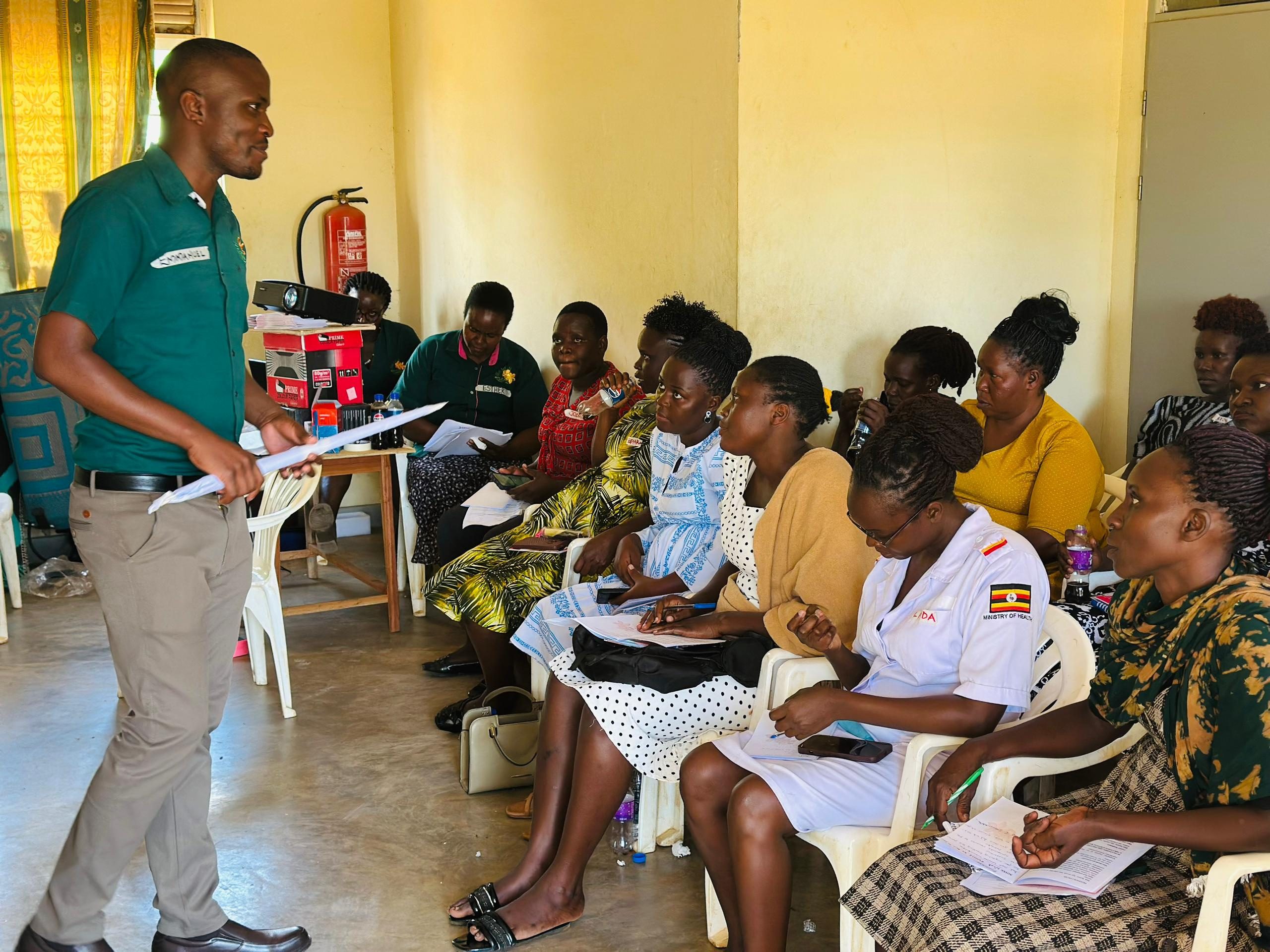
Close collaboration with government health authorities has been key. More than 2,000 health workers have been trained in palliative care and early cancer diagnosis, and 130 nurses and midwives now trained provide screening in 20 health-centre clinics across rural Busoga. These efforts have greatly strengthened community health capacity and access to care.
Together, RHHJ and its partners are bringing to reality “Good Health and Well-being for All” and our Vision of cancer prevention, early detection and palliative care for all closer to reality. And the costs are modest —approximately UGX 1.5 million per patient per year (about UGX 125,000 per month) – a small price for restoring dignity and life.
In Busoga, hope travels quietly – on four wheels, in the hands and hearts of nurses, social workers, drivers and volunteers. It enters homes where pain once ruled, carrying comfort, laughter, dignity and peace. Beyond the patients’ doorsteps, RHHJ champions awareness and prevention—working toward a future where breast cancer is controlled and cervical cancer has become a disease of the past.
Mary’s words remind us what that hope feels like:
“I now feel human again. I laugh, I sing, and I have hope.”
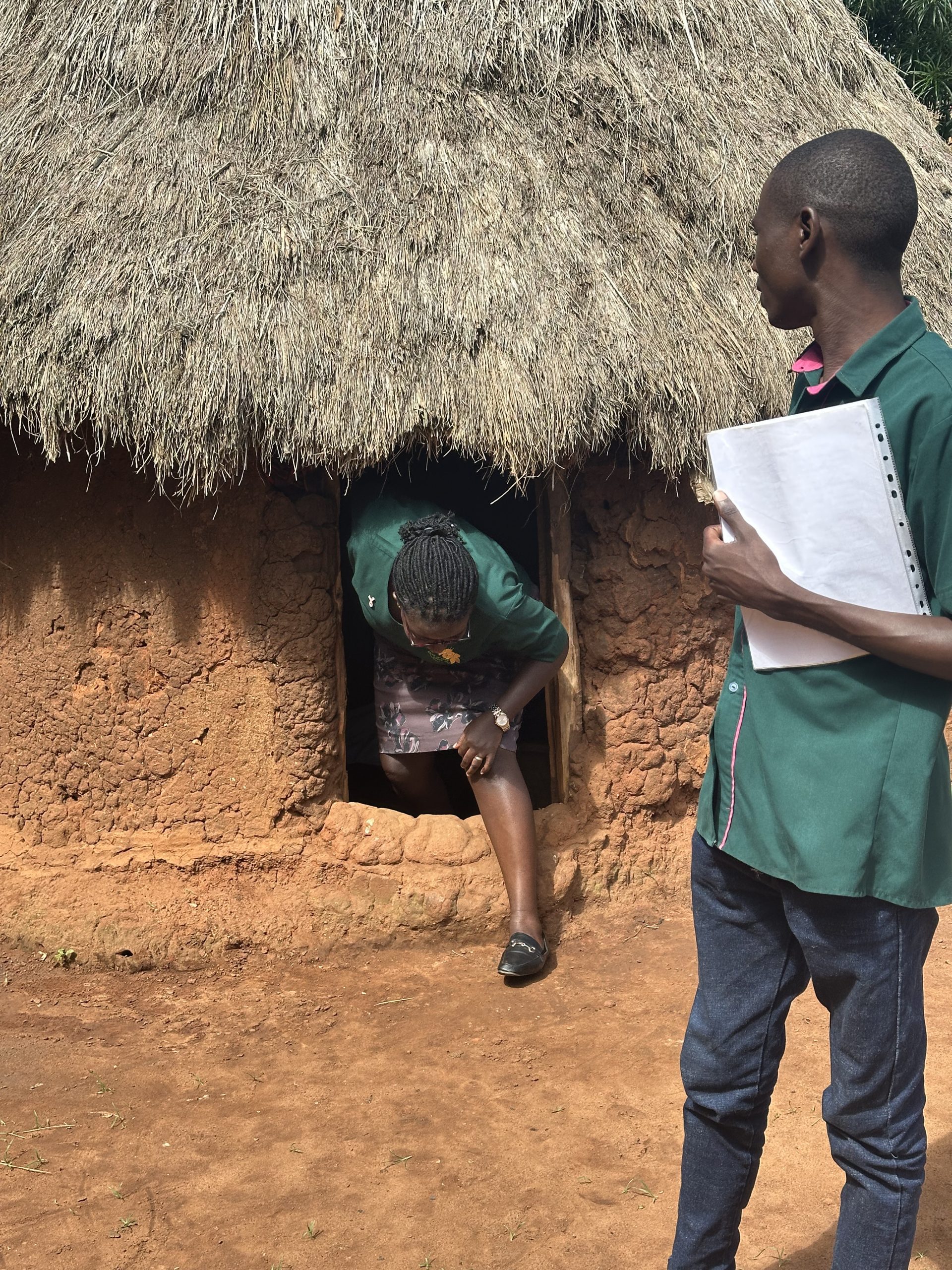
That is what Rays of Hope Hospice Jinja gives – not just care, but the gift of humanity restored.


The most wonderful compassion, care and love given, always….
Very nice.
Well done to the entire team.
Like Peter in Jn 21:15-17, RHHJ continually affirms its love of God through the daily tending and feeding of the sick. There’s no better answer than a practical one. May your barns brim over with all the necessary supplies.
Always good to read the testimonies of patients and carers of Rays of Hope. The e organisation is. testimony to the power of kindness and ordinary caring that enhances the specialized skills, knowledge and experience they give to their patients and the communities they serve.